

ADHD in Adult Women Symptoms
ADHD is one of the most frequently encountered mental health disorders and women are able to experience it in different ways from men. Gender norms and stereotypes can affect the way women live with ADHD.
Adult women with ADHD often feel lonely and without support. Their difficulties are often hidden from the pressures of life which can cause mental health issues like anxiety or depression.
1. Disorganization
Disorganization is a typical manifestation of ADHD. However, it is not always a sign of the disorder itself. Unorganized behavior could also be an indication of schizophrenia or a different mental disorder. It is essential to seek immediate assistance.
These symptoms are often ignored by others and could have a negative impact on your life in multiple ways. For instance, you might be constantly late for appointments or events and this can affect your professional image and create stress in your personal life. It is also possible that you have trouble keeping up with housework, cooking healthy meals for your family, or balancing the demands of being a parents.
The problem with a lack of organizational skills is that you don't know how long it will take to complete tasks and aren't able to plan ahead for the time that something has to be done. This makes it difficult to complete important tasks like a college application or work project.
A lack of executive functioning can also lead to poor coping strategies that can lead to anxiety and overwhelm. You might also forget important information or have difficulty remembering how to take your medication.
You might have a hard time regulating your emotions and expressing them appropriately in public. This can result in conflicts with others and make you feel unloved and unsecure.
Adhesive women are more likely to develop coping strategies which help them hide their symptoms. This can lead them to go undiagnosed or untreated, and it could also make them more likely to experience depression and anxiety.
If you've been diagnosed with ADHD There are a variety of treatment options that you can pick from. The most commonly used are stimulant medications that help you focus and regulate the activity of your brain. Therapy and counseling are other options. They can help you understand your condition and how it affects your daily lives.
The sooner you are able to receive a diagnosis, the quicker you can begin to address your ADHD and making lasting changes to your lifestyle. You can live your best life!
2. Indecisiveness
It isn't easy for anyone to make a decision. A variety of conditions can make it even harder for those with adhd.
ADHD can cause indecisiveness which could be a symptom of the disorder. It can also lead to the tendency to delay and impulsivity. It can also hinder social interactions.
It is common for people with ADHD to be nervous about making a decision, especially when they are faced with too many choices. This makes it difficult to choose a place to meet, or decide if you want to buy a car, and choose a college major.
Lack of confidence in your own decision-making skills could be another reason why you are struggling to decide between two things. This could be due to a childhood that didn't allow you to take risks or make your own choices.
If your parents were strict, for example and you were not allowed to allow you to go to the movies or try on clothes, you may be reluctant to make your own choices. You may also be reluctant to repeat the same mistake if you're afraid of failing.
Despite the fact that indecision is difficult to overcome, it doesn't have to be permanent. Here are some strategies to help you get over it.
1. Try changing your outlook.
If you're having trouble deciding between a film or going to the birthday party of a friend Instead of thinking about what other people's opinions, consider your own feelings and what's best for you. This gives you more control over your own circumstances, and will allow you to advance in your life.
2. Make your decision a priority.
It isn't easy to get back to a normal routine if you've avoided making a decision for a long period of time. You should be proud of all the decisions you make regardless of how small they are, to provide yourself with the confidence to carry on.
The assistance of a professional is an option, as is seeking support from family or friends. There are also books that can help you manage your indecision.
3. Impulsivity
It's common for people with ADHD to experience problems with impulse. This is because the disorder is linked to the way the brain functions. In other words, impulsivity could be an issue with the way the brain of a person is wired to process information and make decisions.
This can lead to many issues. This could include issues at home, at school or at work. They could result in unstable relationships and poor self-esteem.
Many people who suffer from ADHD also suffer from mood disorders, such as bipolar disorder and depression. Having this problem along with the symptoms of ADHD can make it more difficult to concentrate and complete tasks.
This is particularly applicable to women with low self-esteem. These women often feel that they are incapable of making the right decisions or that people will judge their behavior.
They might develop coping strategies to hide their symptoms. This could result in a misdiagnosis as well as a absence of treatment.
According to Julia Rucklidge, PhD, who has been studying this area for a long time, women with ADD might be suffering from issues that aren't noticed by medical professionals since they're not as evident as ADHD in boys. She also points out that girls and women with ADHD are more likely to conceal their symptoms for fear of being judged or disregarded by others.
They may have trouble focusing in class or on homework because of distractions from other students. They may be tempted play with their work instead of listening attentively.
In addition, they might have trouble making plans and keeping track of their schedules. They might have trouble remembering where their wallet and keys are.
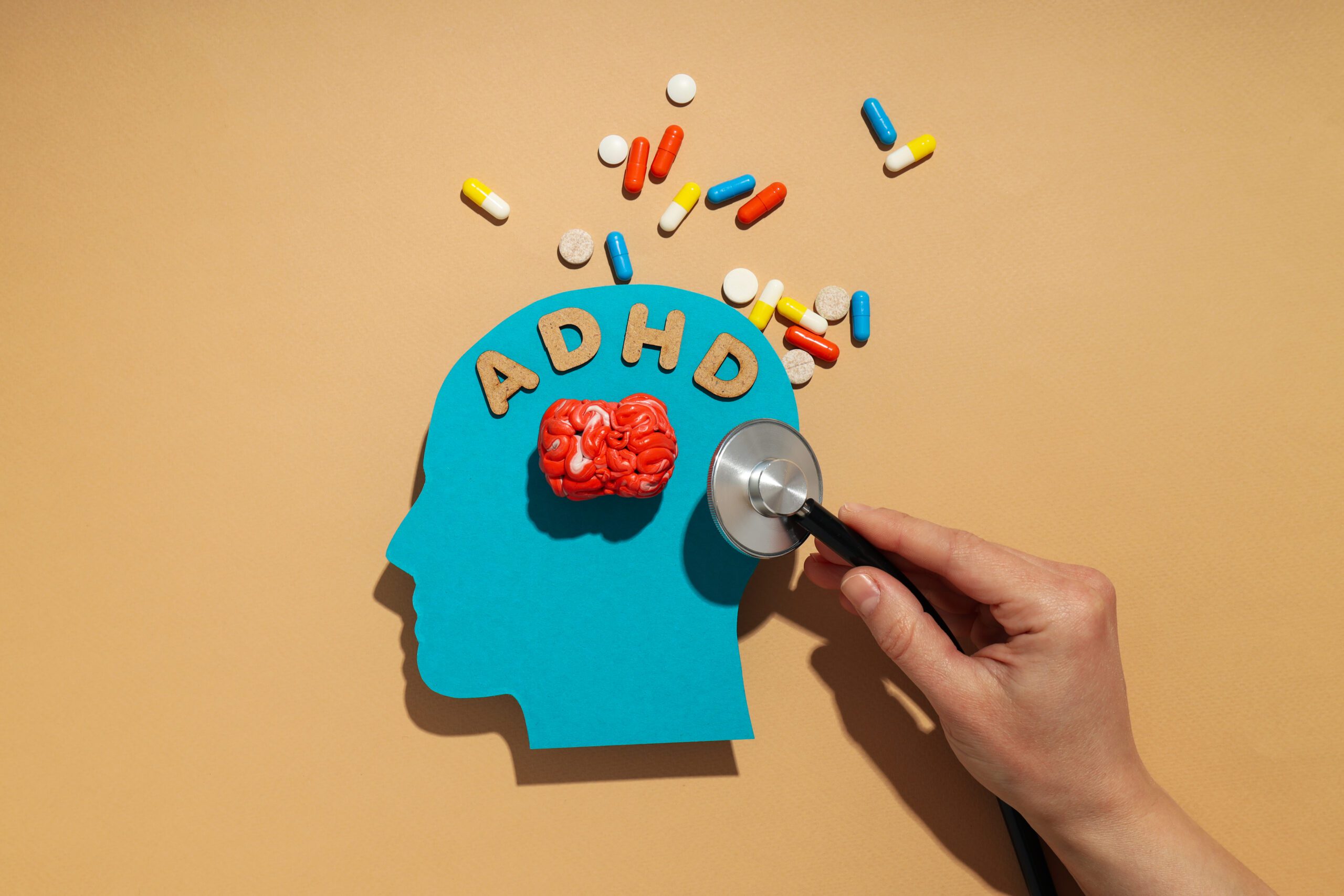
These types of symptoms are particularly hard for adult women who have lots of responsibilities, both at home and at work. adhd in women may feel that they're moving around in circles and not reaching their full potential due to taking on too many responsibilities.
Fortunately the field of behavioral science is beginning to recognize the distinct ways in which ADHD affects women differently. This has led to new treatments for ADHD that help people find their strengths and tap into their.
4. Anxiety
Anxiety is a normal reaction to threats, but people who have anxiety disorders experience a significant amount of anxiety and stress that interferes with their everyday life. These feelings can persist for a long time and are difficult to manage.
It is crucial to seek help if you suffer from anxiety disorders. This will help reduce your symptoms and improve the quality of your life. This can be done by consulting a psychologist, psychiatrist or doctor who specializes in mental healthcare.
There are many ways to manage anxiety, including medication and cognitive behavior therapy (CBT). A therapist can also provide strategies to manage your symptoms and preventing the symptoms from becoming worse.
Although anxiety is a vital part of our lives, it can be exhausting or even debilitating if is not treated. It can lead to problems with work and school, relationship problems and health concerns, as well as self-esteem issues.
Some of the symptoms that can be a sign of anxiety disorders include being anxious the fear of being judged or criticized, worrying about losing control and panic attacks. These symptoms can disrupt your day-to-day routine and lead you to avoid places or situations that trigger anxiety symptoms.
You can alter your thinking and manage anxiety. A psychologist or therapist can help you develop an action plan to replace negative thoughts with positive ones, and focus on the things that make you happy.
Another important part of treatment is managing stress that includes learning to relax, breathing exercises and avoiding stimulants, such as coffee and alcohol, which can make symptoms worse. Support groups can be found on the internet or in person to discuss your issues and discuss ways to manage your stress.
Anxiety is more common among women than in men. It often starts in childhood or adolescence. Anxiety disorders can be developed due to life experiences, like trauma. Social anxiety can increase the risk of developing anxiety disorders.
The exact causes of anxiety disorders aren't completely identified, they could be caused by a combination of factors. These include genetics, personality, and family history. It is also possible that hormones, such as estrogen and testosterone, can affect your chances of developing anxiety disorders.